Index


July, 2026. Selected photos from an incredibly formative week of documentary storytelling at Santa Fe Workshops with instruction from Matt Black. It was the greatest privilege to attend this workshop in honor of one of my greatest heroes and photo mentors, Kurt Markus.
The Kurt Markus Photography Scholarship provides financial support for a young photographer to attend a workshop of their choice, including tuition, travel expenses, accommodations and $500 for photographic supplies. In addition to the workshop in Santa Fe, the recipient will forever be linked to the spirit and accomplishments of Kurt as they traverse their own path forward in photography.
Kurt Markus (also known as the “prince of darkness”) was my instructor at the Oklahoma Summer Arts Institute in 2019 and is the person who changed everything for me photographically. Visiting his studio in Santa Fe only reminded me of his unwavering ambition and I am so lucky to carry even a fraction of it with me today.
Thank you Kurt + Maria Markus, Matt Black and everyone at SFW for making this week truly unforgettable.
* * *


April, 2026. I’ve been thinking a lot about different ways of connecting with a place. Or more specifically, finding a sense of authorship in a place not connected to previous versions of myself. Some things just have to come more literally –– so there, on LSU’s campus, I sat on the grass and let the contact of skin on the ground create temporary impressions on my hands. I thought of my skin as an archive of all the places I’ve been and experiences I’ve had –– whether imprints from lying in the Louisiana grass, or swelling and peeling from a spring break in Florida or layers of scars formed around insulin injections. I think my skin has a way of showing accumulated versions of myself, ephemeral or long-lasting.
* * *
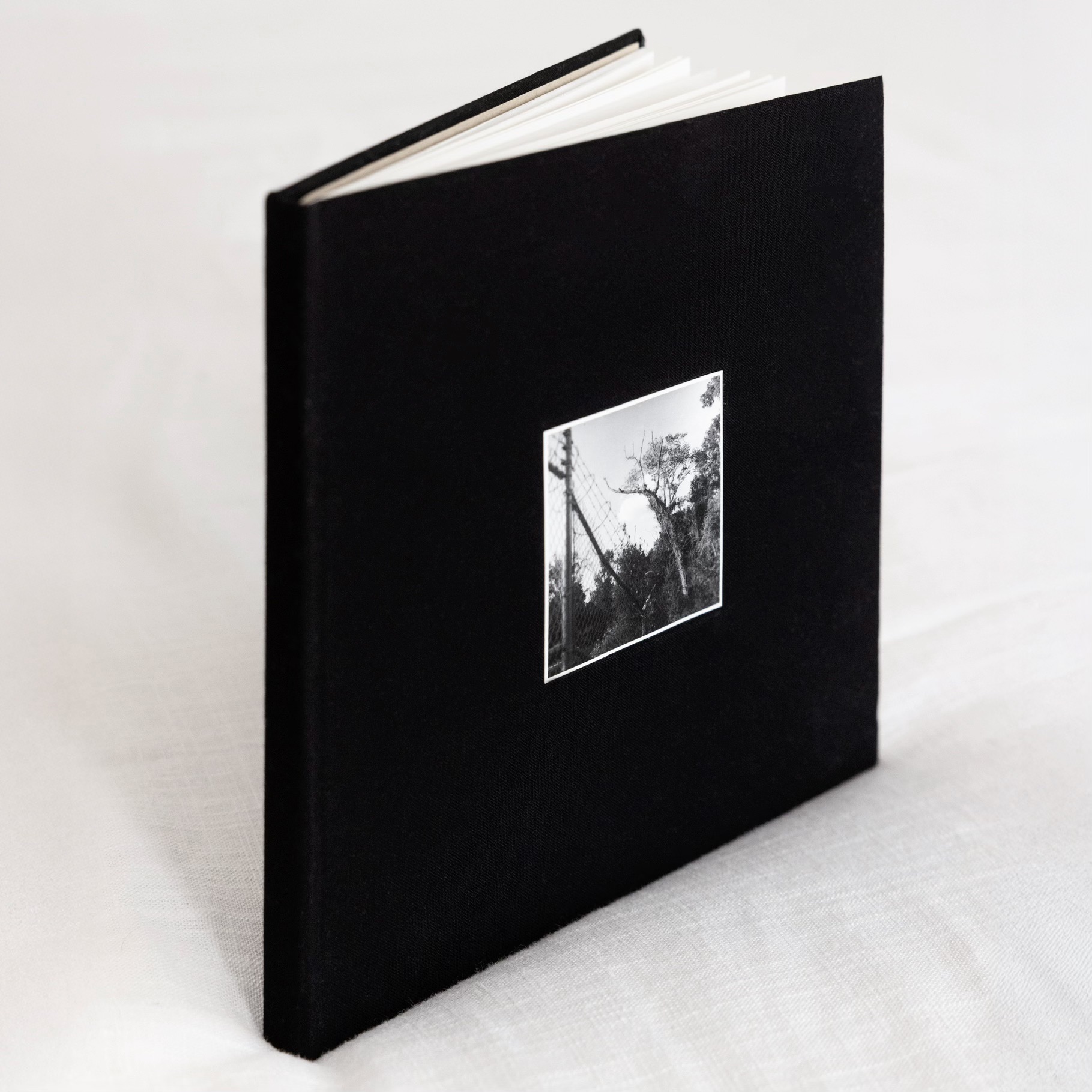
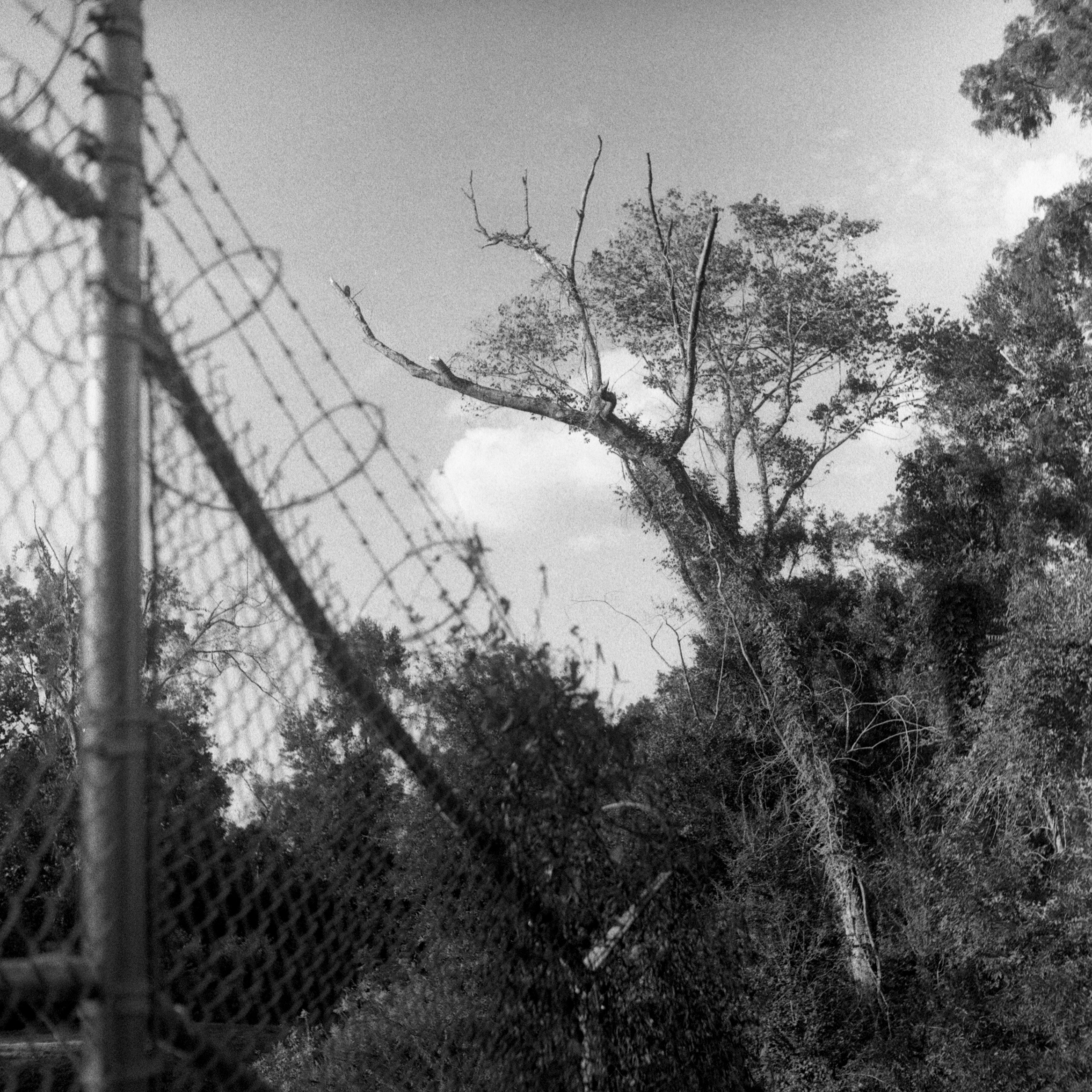
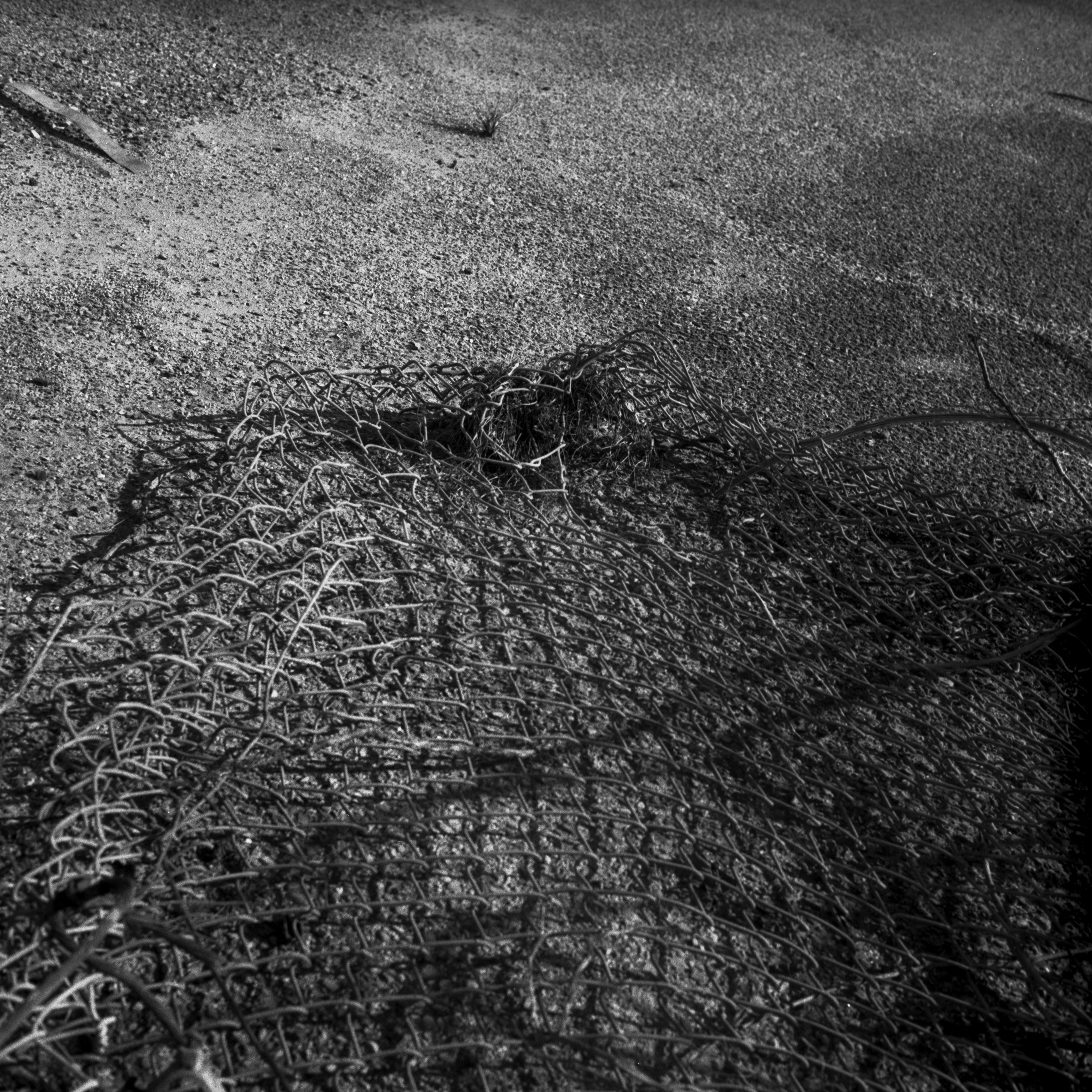
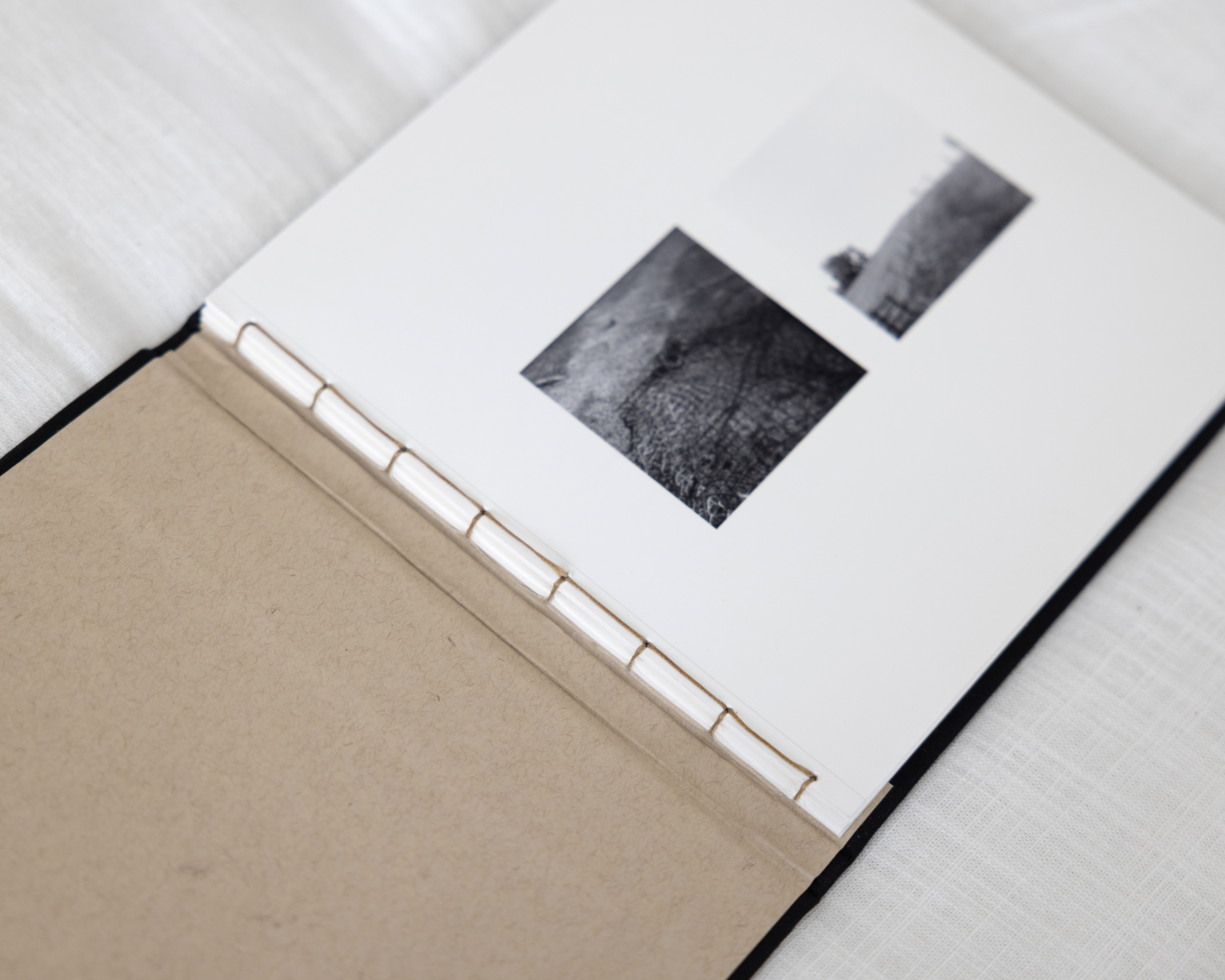
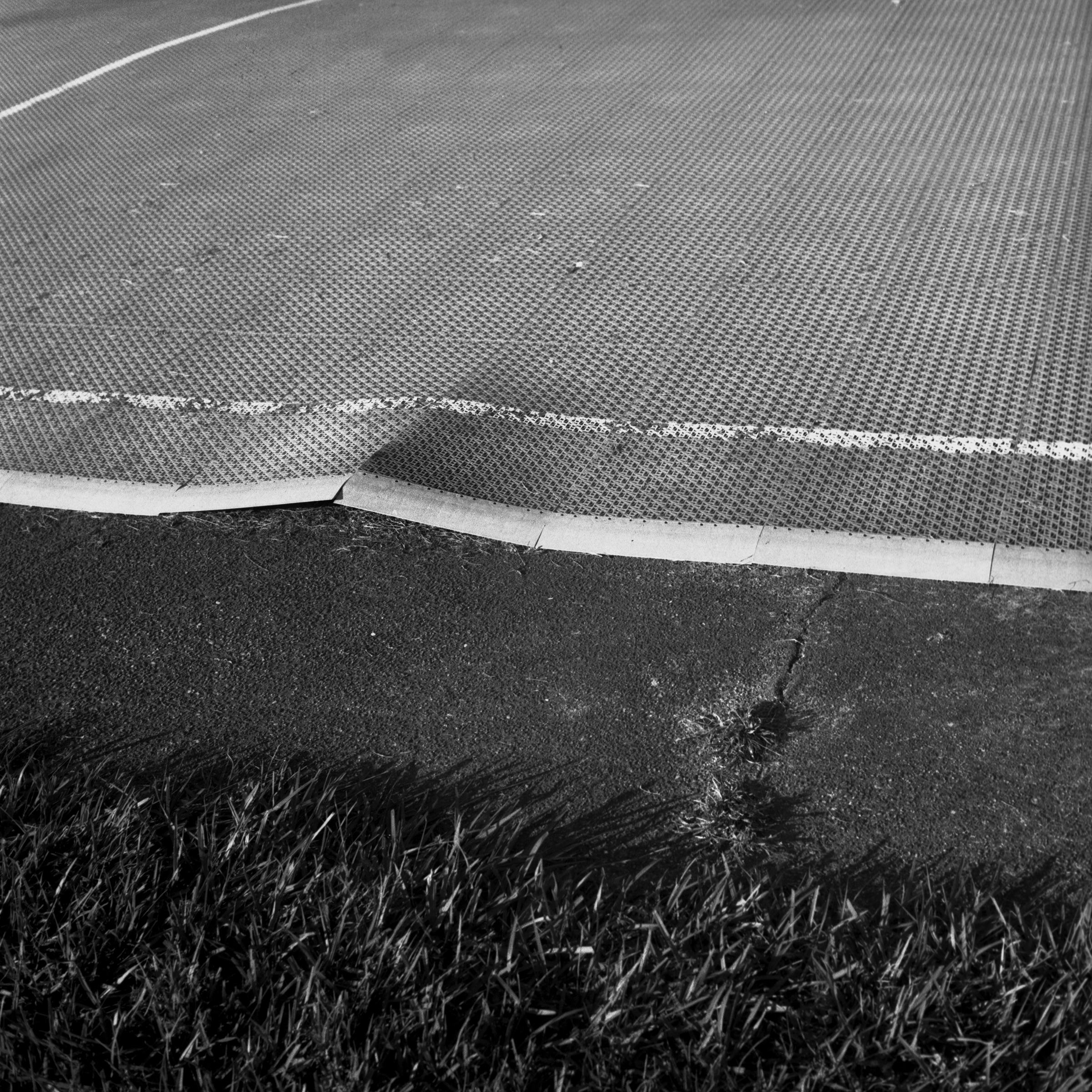
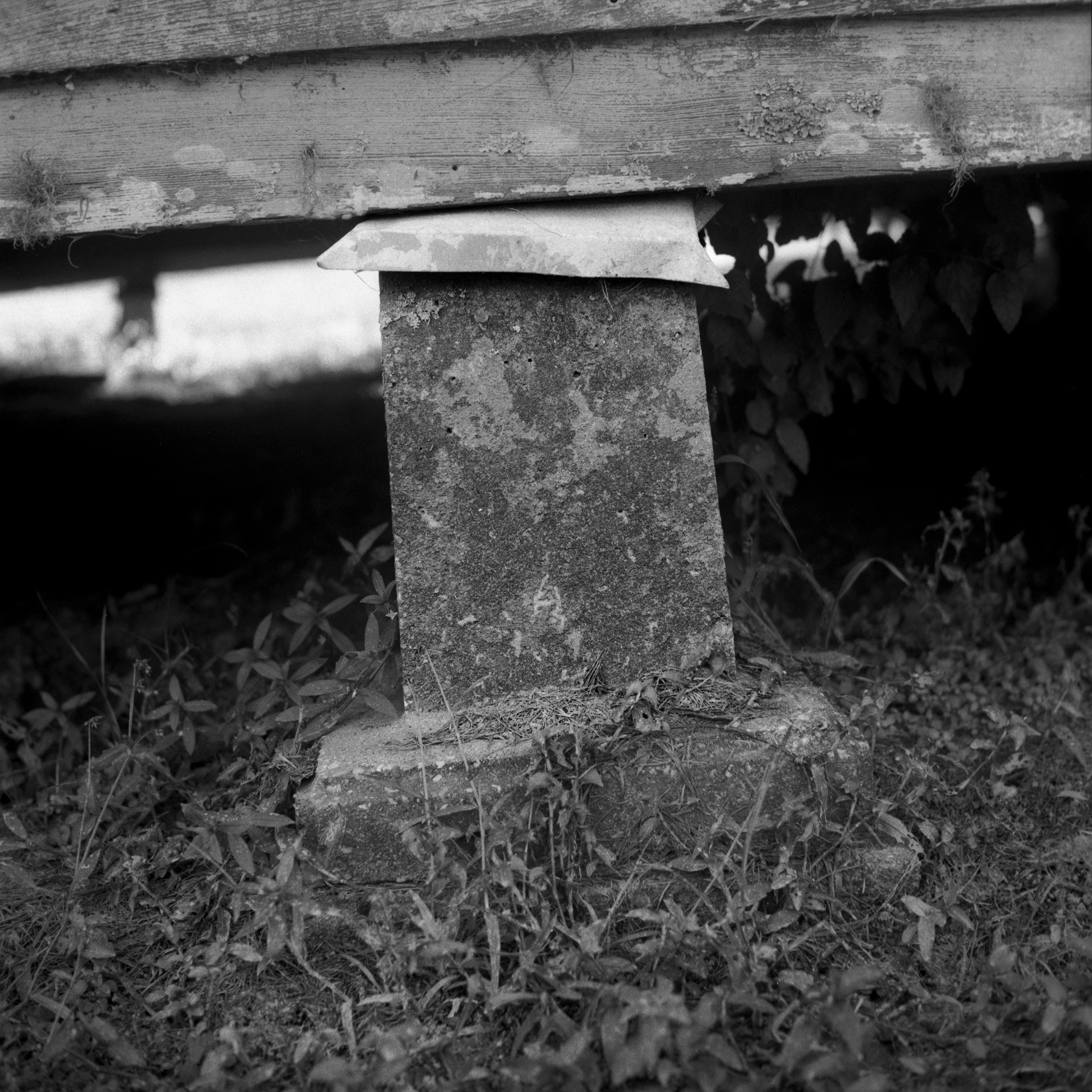
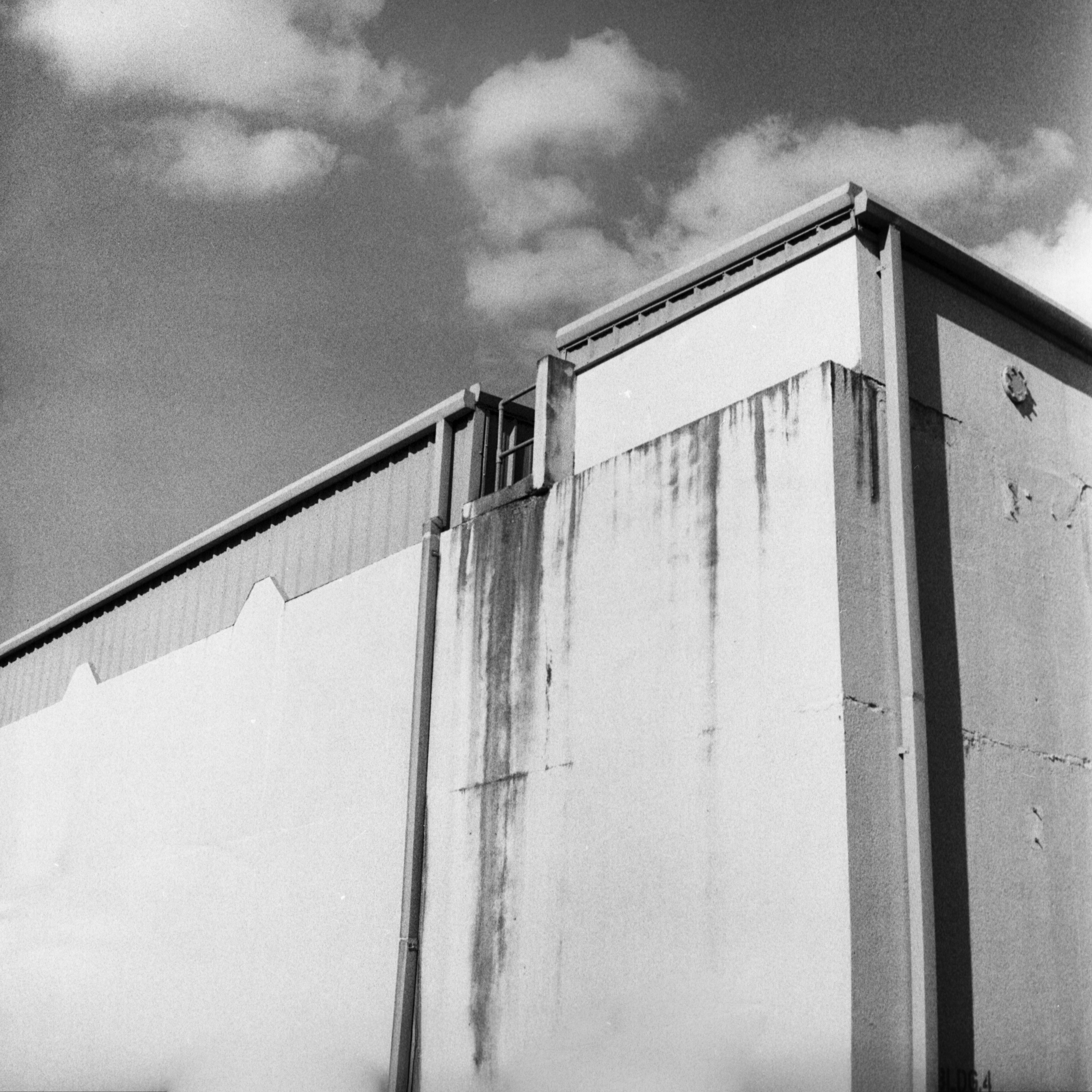
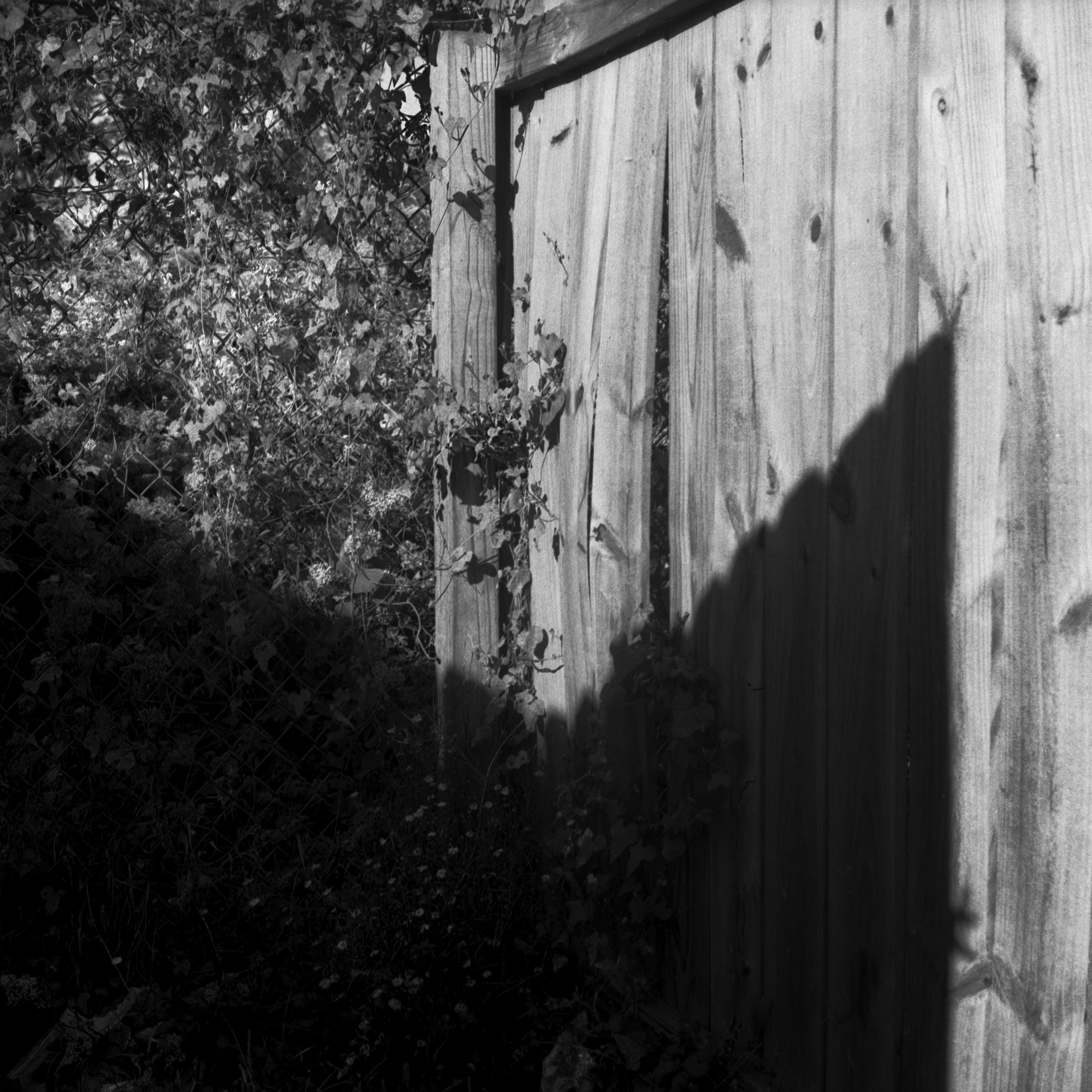
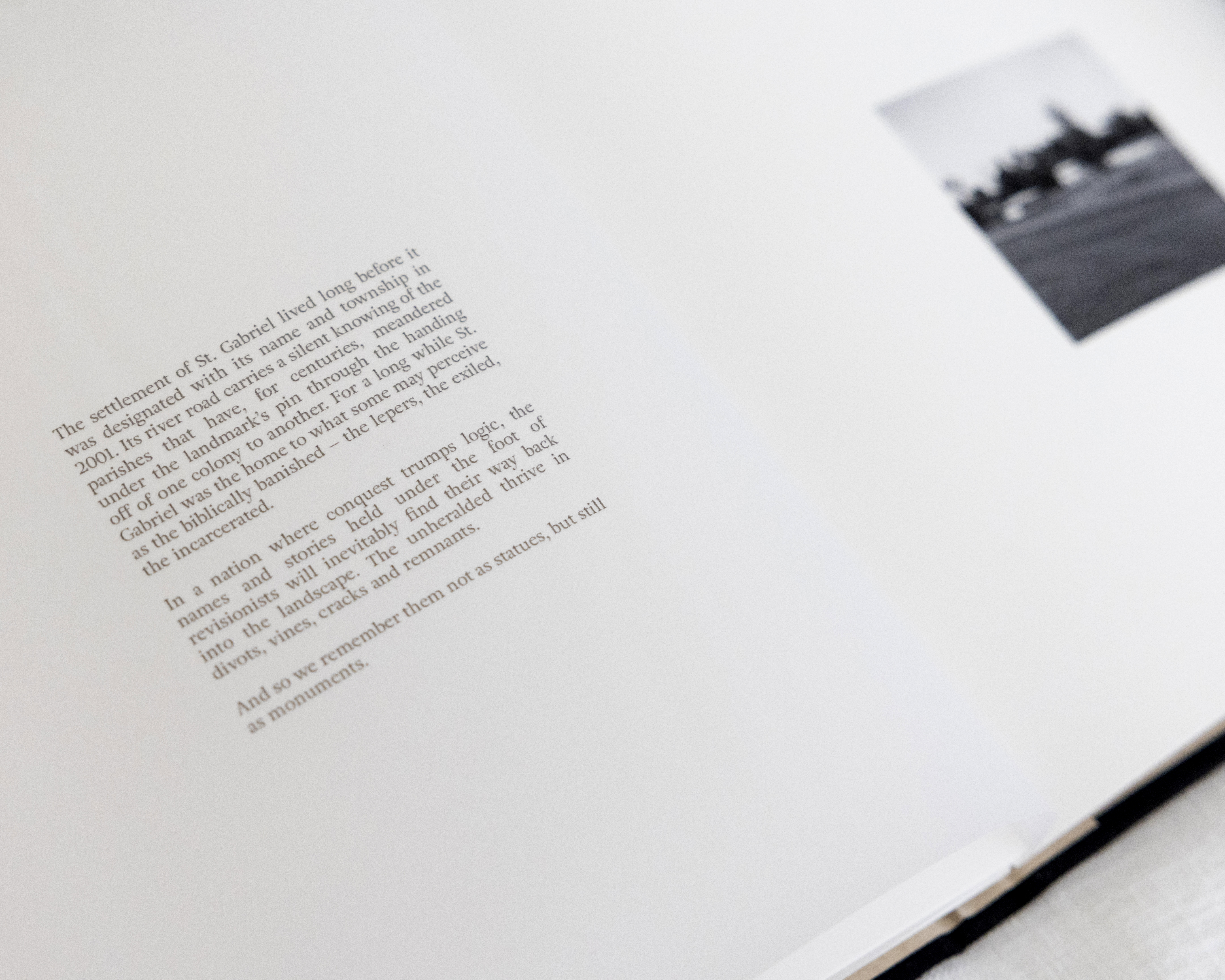
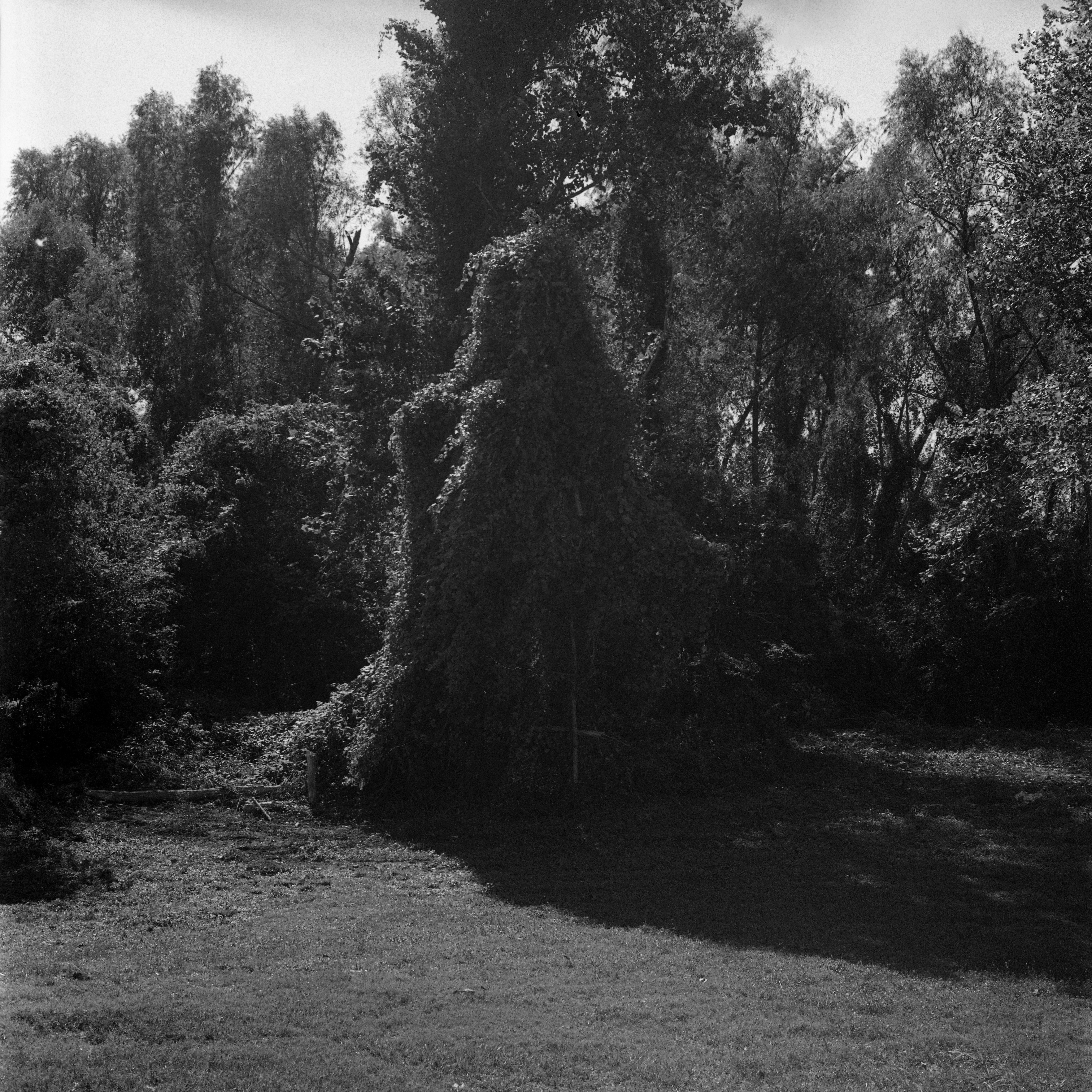
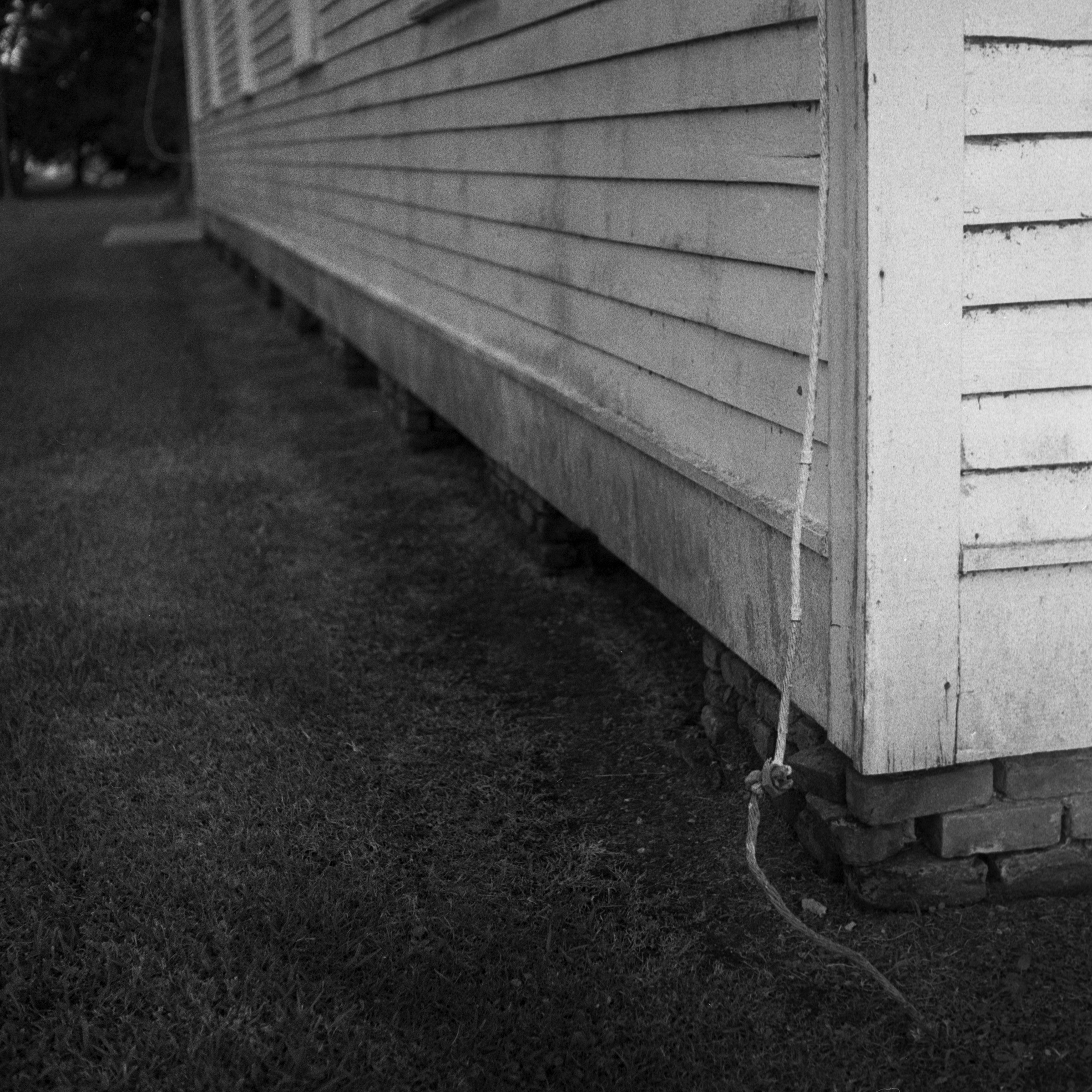
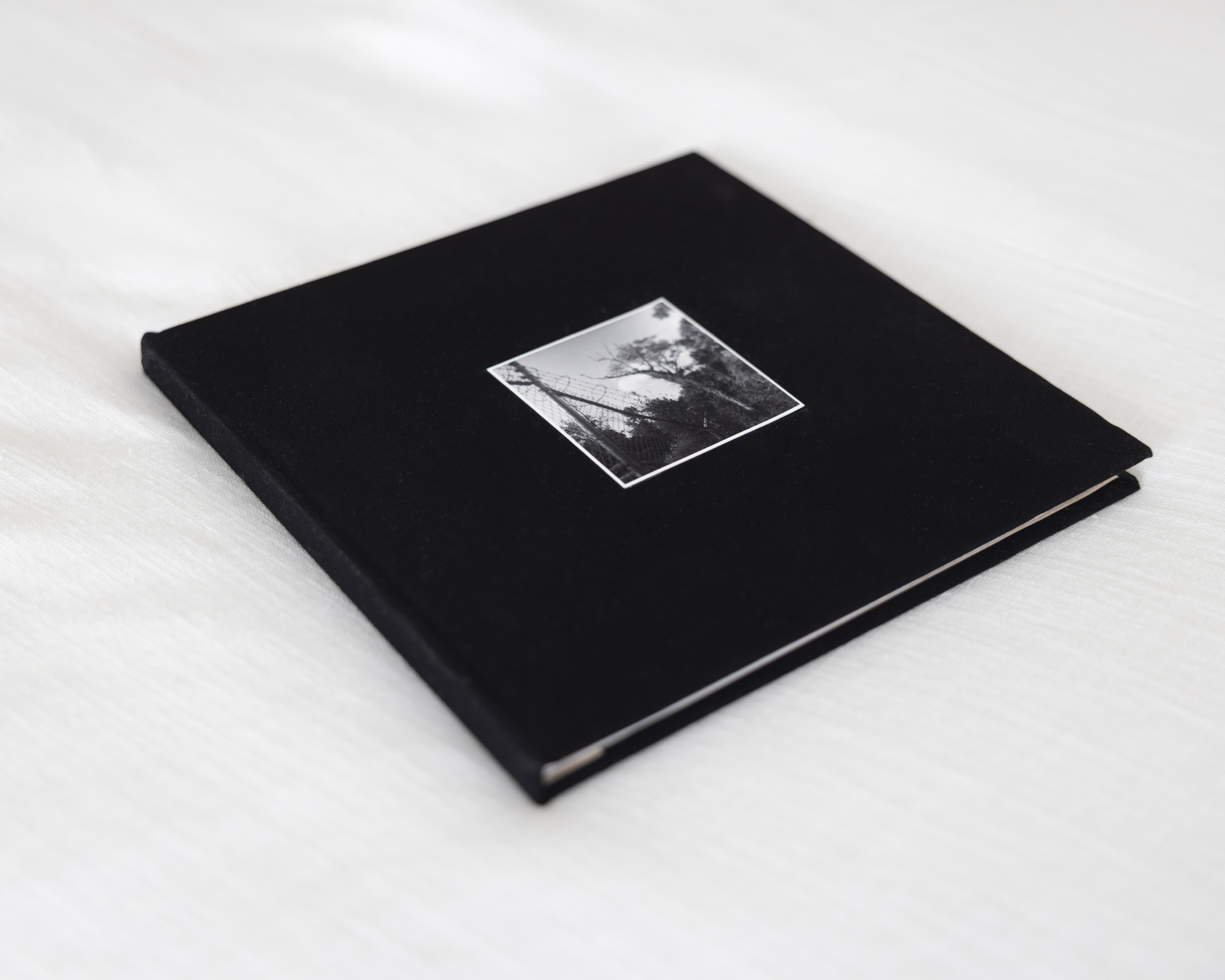
December, 2025. It seems I now find myself in the American South, and with that, there lives within me a burning, a wondering and an excitement to explore and make sense of this place. Sometimes I fail to remember I was born not four hours west of Baton Rouge. One quick I-10 excursion and I’d soon be back in the quiet, beige outskirts of Houston. Texas was a brief, six-month stint on a small string of moves, a familial venture of which I recall not a thing. But, of course, I’m urged to feel there is something fated about being down South again, and to experience it all with my newfound ability to record (and remember) the places I call home.
My first fall in Louisiana was all about placing a pin on the map. And I did so by driving up and down the winding Mississippi river road connecting Baton Rouge to New Orleans. One such place I began to stop and linger for a while was in the small, pious settlement of St. Gabriel, LA. Its history has loosely meandered since the late 1700s, in fact, township was granted only just in 2001. But not even the levees, of which prevent the river from overflowing and shifting, could stifle the stories that sing the people to sleep each night.
There was something so evocative about St. Gabriel. One remarkable thing being its roots in southern Louisiana’s Catholic belt, another being its naming after God’s archangel and divine messenger. And, above all, the towering rings of barbed wire that I could not help but associate with a crown of thorns. The barbed wire led me on a visual path of discovery throughout the town, from the abandoned Louisiana Correctional Institute for Women (I learned had been evacuated after a biblical sort of flood in 2016), to the site of the Bayou Paul Colored School (championed by the ruthless Mrs. Amanda Grace, who taught the children they shall “know thy tree by the fruit it bears”), the Hansen’s Disease Center (that made medical history in leprosy treatment) and, as it seems St. Gabriel is most known for, the historic Catholic church (designed and constructed by exiled acadians). I turned my lens away from the obvious and photographed only discreet remnants of the past – divots in the ground, overgrown ivy, rotting planks of wood – visuals that only reminded me of Myra Sklarew’s poem, reading “…our human possessions and all they’ve left us, this whole city sings their songs, say their names, in this city they are our monuments.”
My response to the photographs and research was to make a book. A monument, of sorts. Composed of sixteen fine arts prints and select writings on vellum, the single-editioned monograph is a visual representation of a wandering eye, one particularly inclined to observe a scape imbued with religious iconographies.
* * *

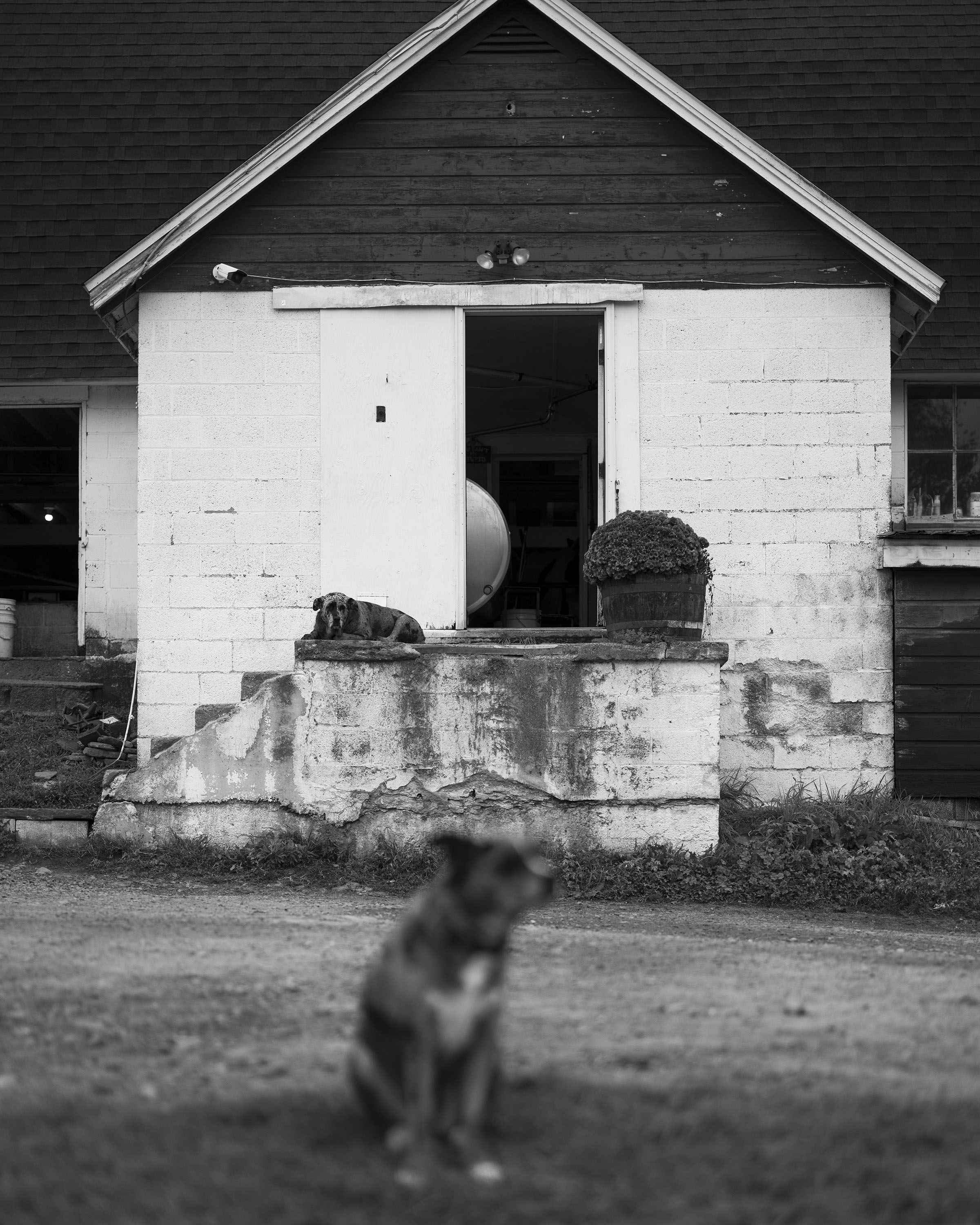

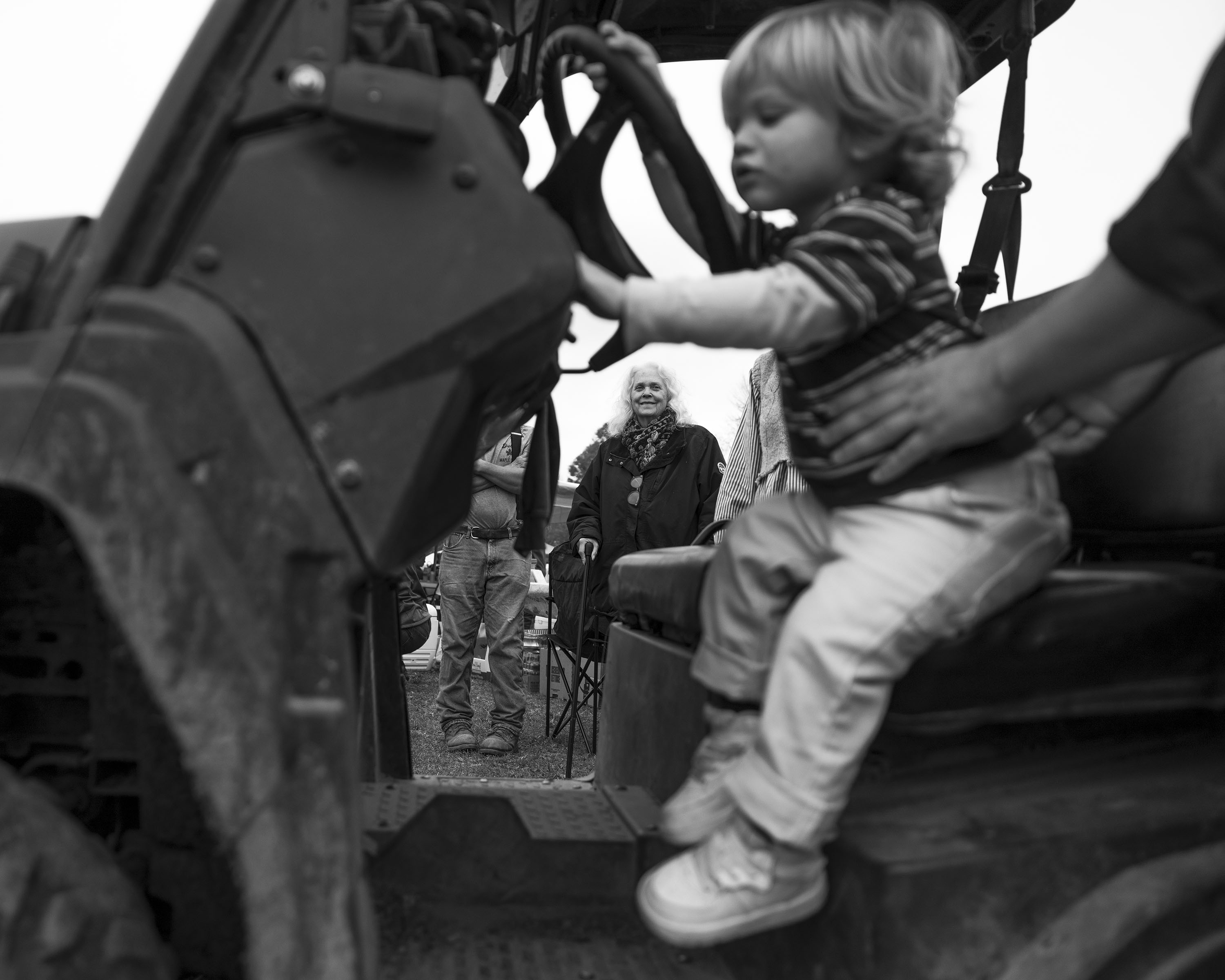


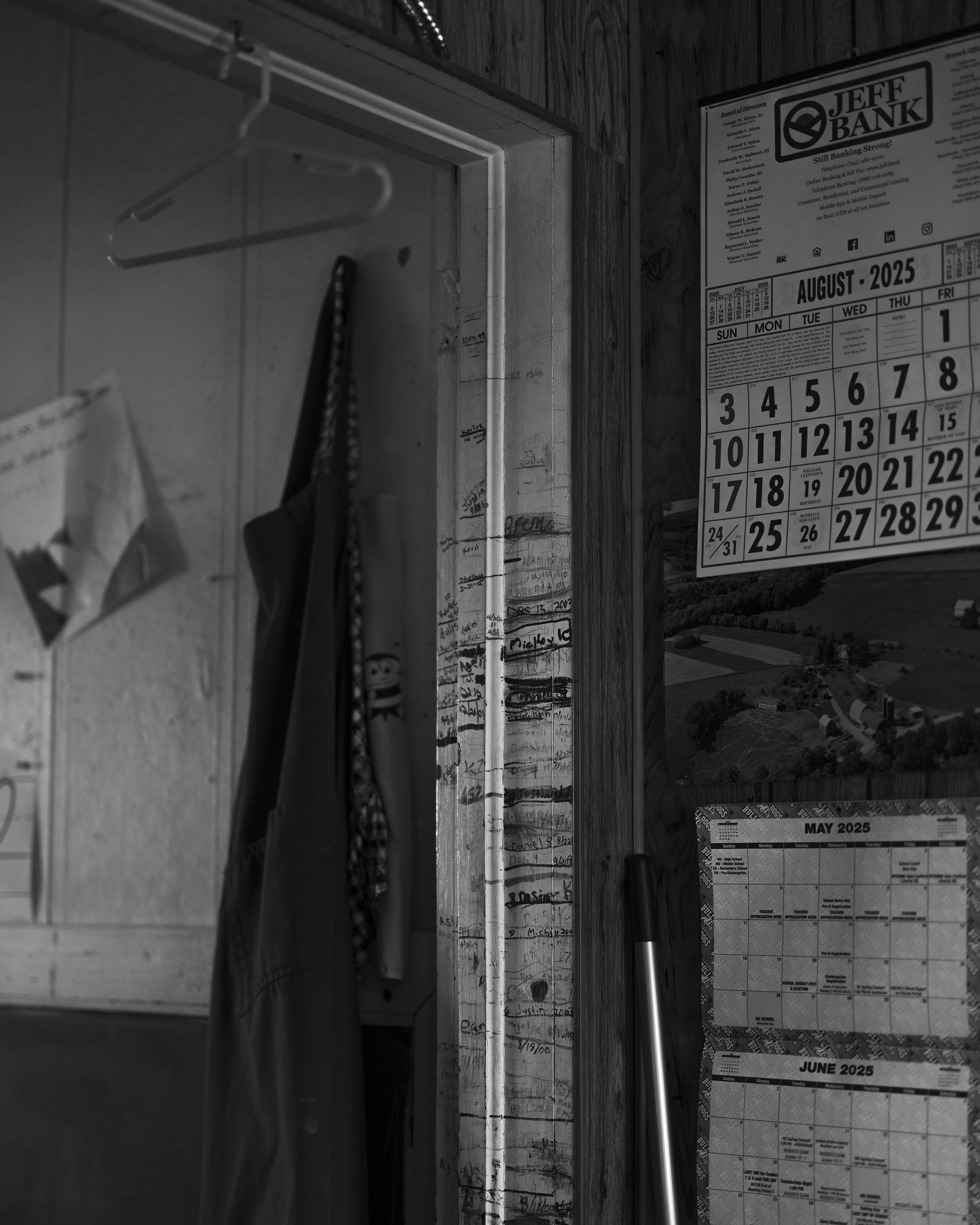
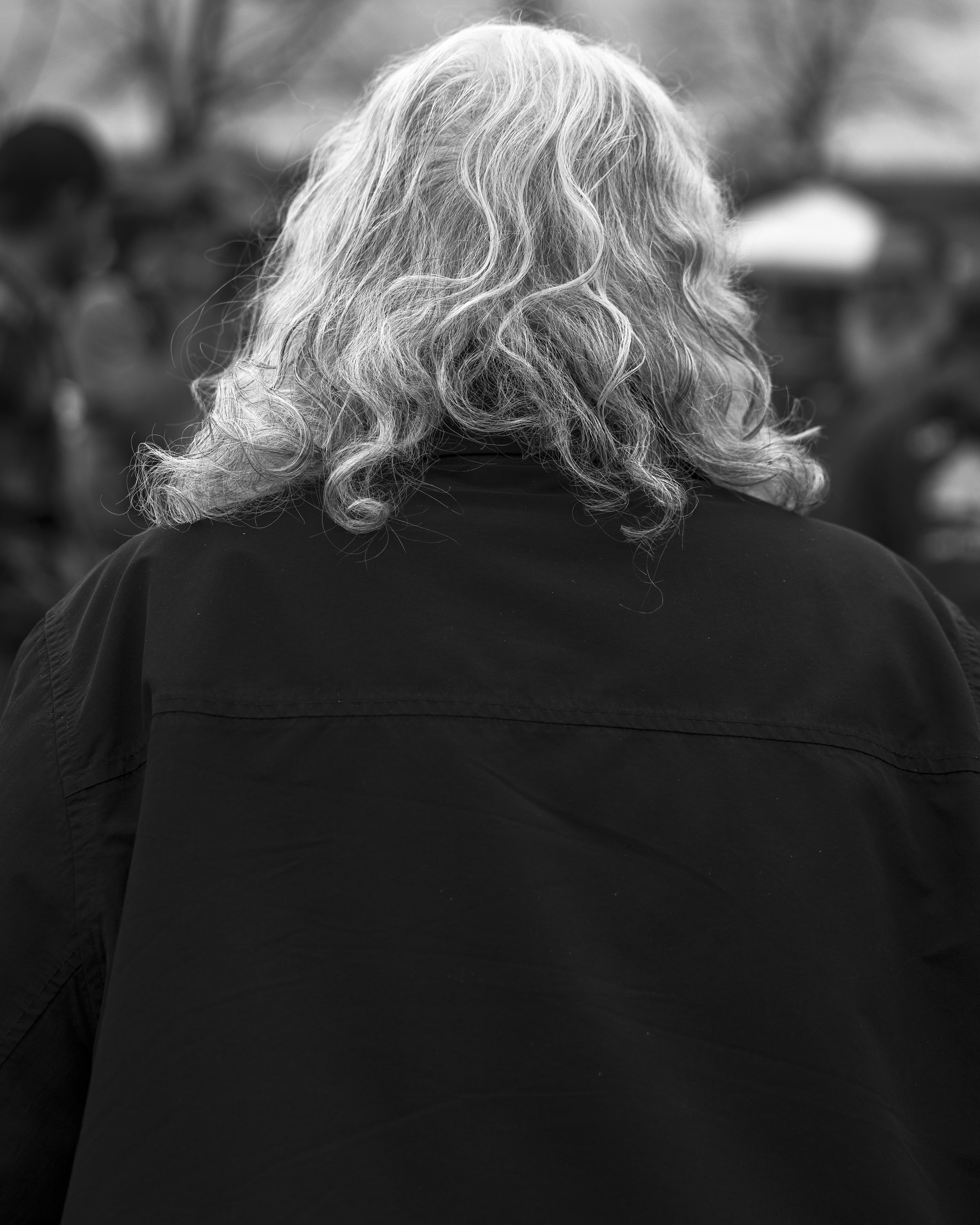
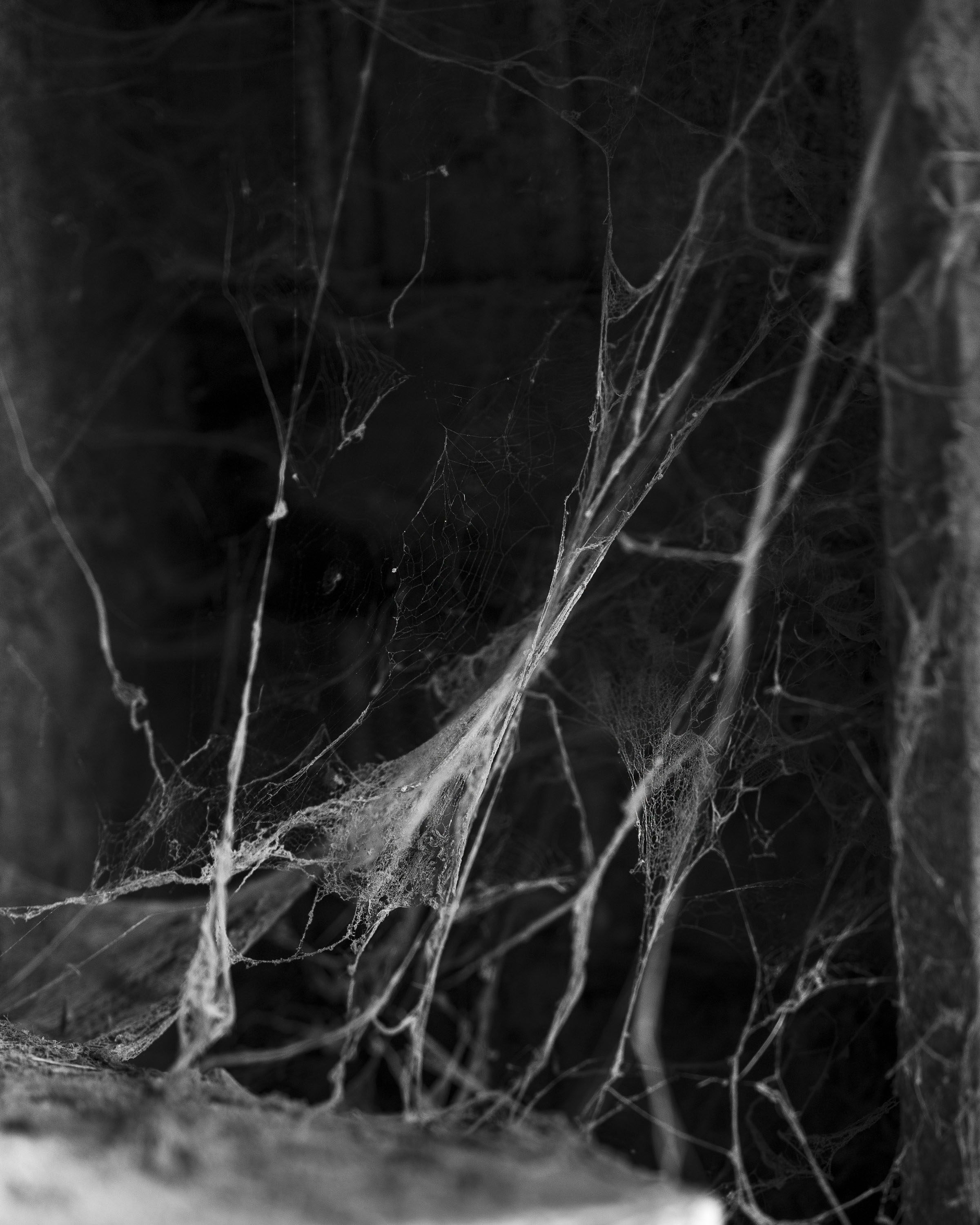

October, 2025. On assignment for the Eddie Adams Workshop, documenting the Diehl family homestead of Callicoon, New York.
The Eddie Adams Workshop is a merit-based, four-day photojournalism seminar in upstate New York. Every October, students from all over the world are invited to participate in a weekend of assignments, lectures and portfolio reviews.
* * *
︎